
Back to library
Adrenocortical Carcinoma
A rare cancer that begins in the hormone-producing outer layer of an adrenal gland.
Understanding adrenal cortex cancer
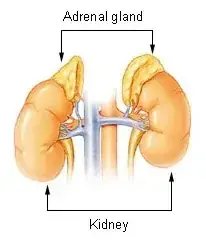
Adrenocortical carcinoma begins in the cortex, the outer part of an adrenal gland above the kidney. Some tumours make excess cortisol, aldosterone, testosterone or oestrogen and cause hormone-related symptoms; others do not. It is different from pheochromocytoma, which begins in the inner adrenal medulla.
Possible signs and symptoms
- A lump, pain or fullness in the abdomen
- Persistent back or side pain
- New or difficult-to-control high blood pressure
- Muscle weakness, cramps or frequent urination
- Unusual weight, blood-sugar or body-shape changes
- Unexpected menstrual, hair, voice, breast or sexual changes
Treatment and care
Treatment depends on stage, hormone production, whether the tumour can be completely removed and overall health. Care usually involves endocrine and oncology specialists.
Surgery
Removal of the affected adrenal gland is the main treatment when the cancer can be safely removed. Nearby tissue or lymph nodes may also need treatment.
Medicines and other treatment
Mitotane, chemotherapy, radiation therapy or clinical trials may be considered for higher-risk, unresectable, metastatic or recurrent disease. Excess hormone production also needs specific management.
Sources and medical information
Prepared by Tutti Cancer Warriors
Sources checked: 29 July 2026
This page covers adrenocortical carcinoma, not every adrenal tumour. Hormone-related symptoms have many possible causes, but rapid or unexplained changes should be medically assessed. Severe high blood pressure, chest pain, fainting or sudden weakness need urgent care.
Official sources
Key Facts
Adrenal cortexThe cancer begins in the hormone-producing outer layer of an adrenal gland
RareAdrenocortical carcinoma is an uncommon cancer in adults and children