
Learn about Cancer
Comprehensive information about cancer types, symptoms, early detection, and treatments. We're here to support you every step of the way.
53 cancer information guides
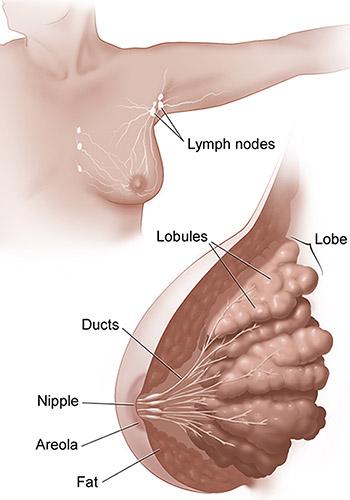
Breast Cancer
Cancer that begins in breast tissue, most often in the ducts or lobules, and can affect people of any sex.
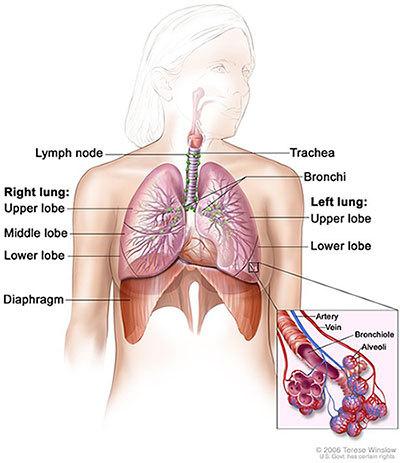
Lung Cancer
Cancer that forms in lung tissue, usually in cells lining the airways, with several types that require different treatment.
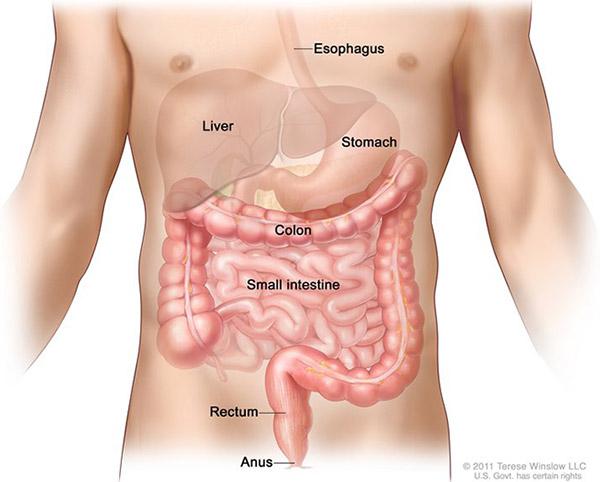
Colorectal Cancer
Cancer of the colon or rectum that often begins in a polyp and may cause bowel changes, bleeding or abdominal discomfort.
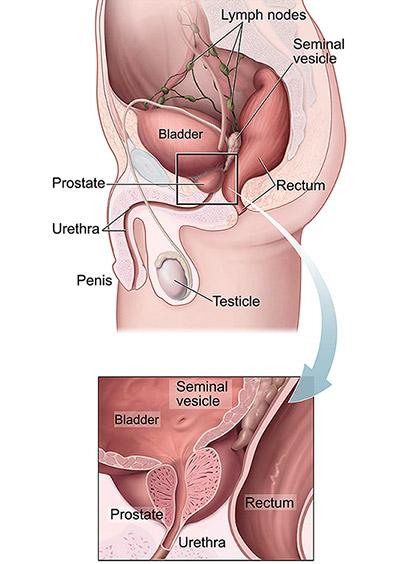
Prostate Cancer
Cancer that begins in the prostate gland; some tumours grow slowly while others can spread more quickly.
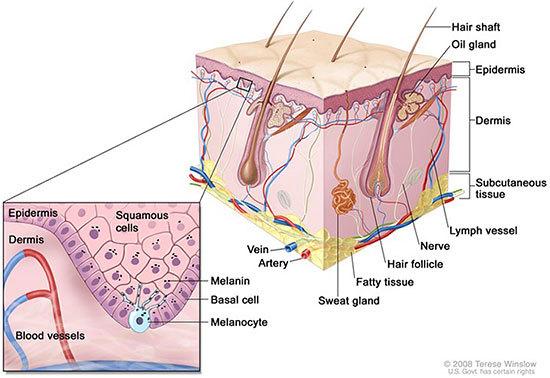
Skin Cancer
This guide focuses on melanoma, a skin cancer that begins in pigment-producing cells and can spread if not treated early.
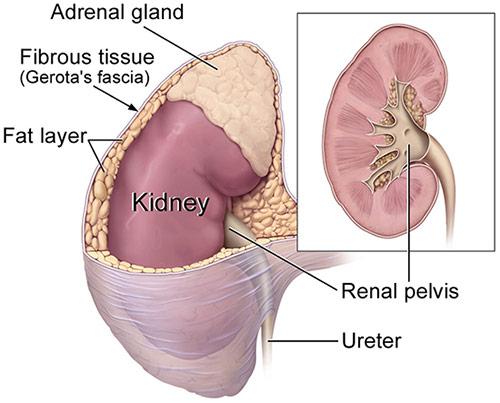
Kidney Cancer
Cancer that begins in kidney tissue, most commonly as renal cell carcinoma in adults.
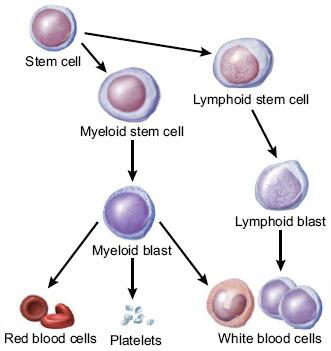
Leukemia
A group of cancers of blood-forming tissues that cause abnormal blood cells to build up in blood and bone marrow.
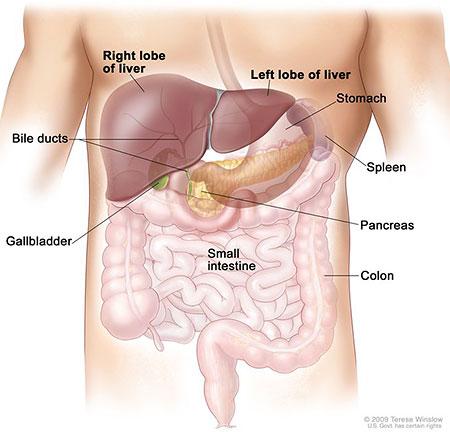
Liver Cancer
Cancer that begins in the liver, most often hepatocellular carcinoma, frequently in a liver already affected by chronic disease.
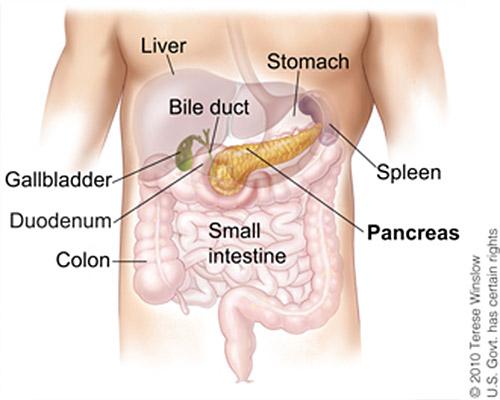
Pancreatic Cancer
Cancer that begins in the pancreas; the most common type forms in cells that make digestive enzymes.
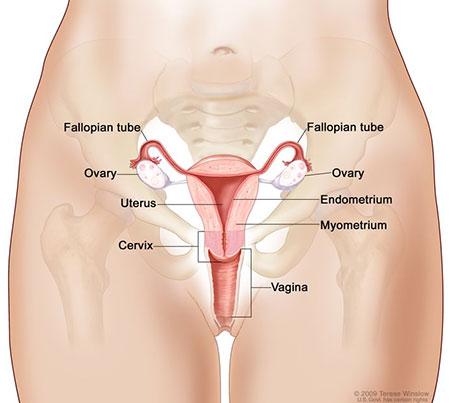
Ovarian Cancer
A group of cancers affecting the ovaries, with epithelial tumours the most common; symptoms can be persistent but nonspecific.

Childhood Cancer
A broad group of cancers diagnosed in children, including leukemias, brain tumours, lymphomas and solid tumours.
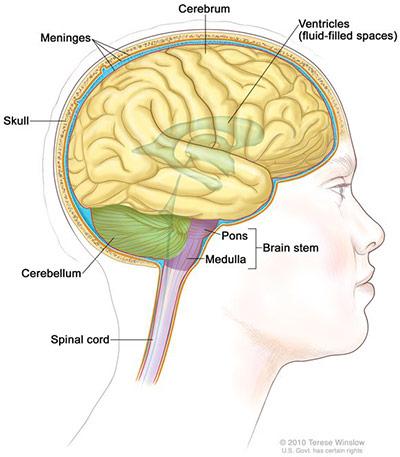
Brain Tumor
Tumours that begin in the brain or central nervous system; they may be benign or malignant but can still require specialist care.
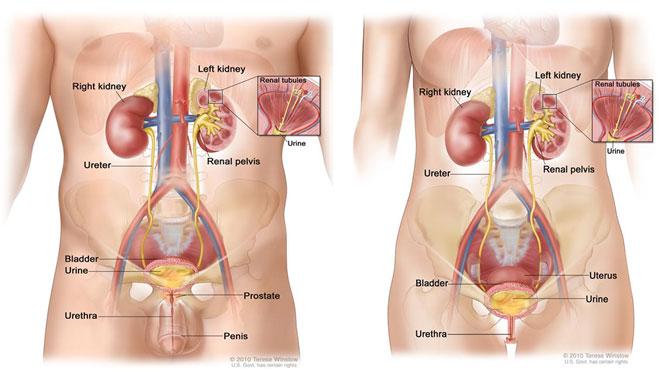
Bladder Cancer
Cancer that usually begins in the urothelial cells lining the bladder and often first appears as blood in the urine.
Cervical Cancer
Cancer of the cervix that is usually linked to persistent high-risk HPV infection and can often be prevented through vaccination and screening.
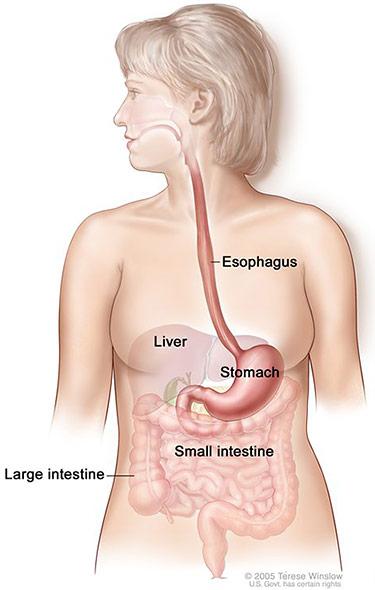
Stomach Cancer
Cancer that begins in the stomach, most often in gland-forming cells of its inner lining.
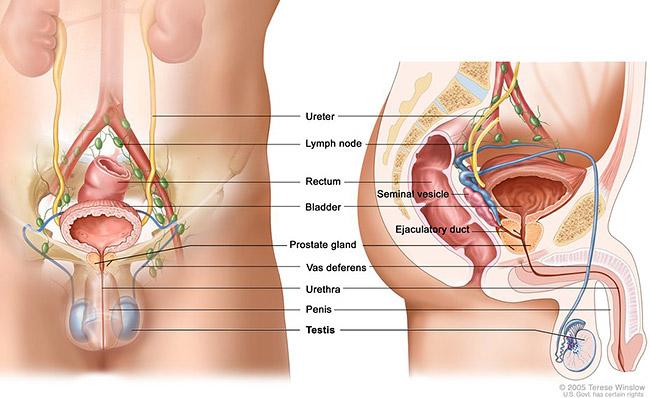
Testicular Cancer
Cancer that begins in a testicle, usually in germ cells, and most often affects younger and middle-aged men.
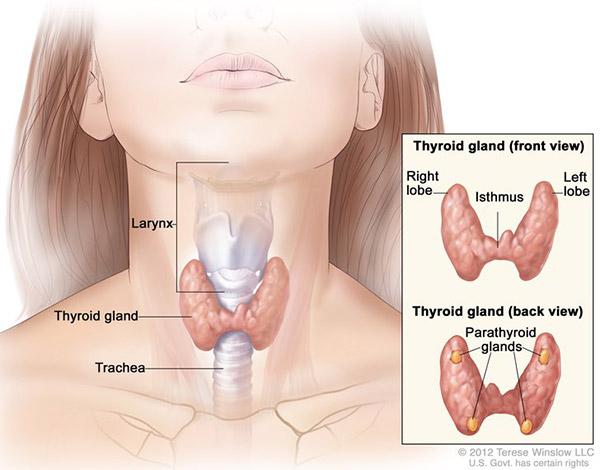
Thyroid Cancer
Cancer that begins in the thyroid gland in the neck and includes several types with very different behaviour.
Uterine Cancer
Cancer of the uterine body, most commonly endometrial cancer, which often causes abnormal vaginal bleeding.
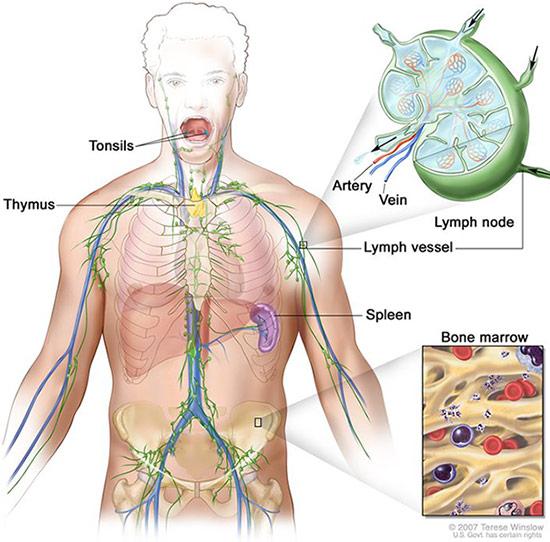
Lymphoma
A large group of cancers of the lymphatic system, including Hodgkin and many types of non-Hodgkin lymphoma.
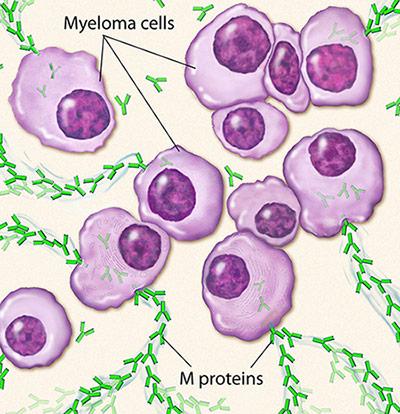
Multiple Myeloma
Cancer of plasma cells in the bone marrow that can affect bones, kidneys, blood counts and immunity.
Esophageal Cancer
Cancer that begins in the oesophagus, the tube carrying food from the throat to the stomach.
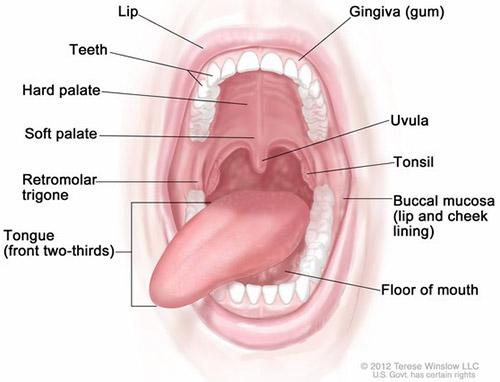
Head & Neck
A group of cancers that can begin in the mouth, throat, voice box, nose, sinuses or salivary glands.
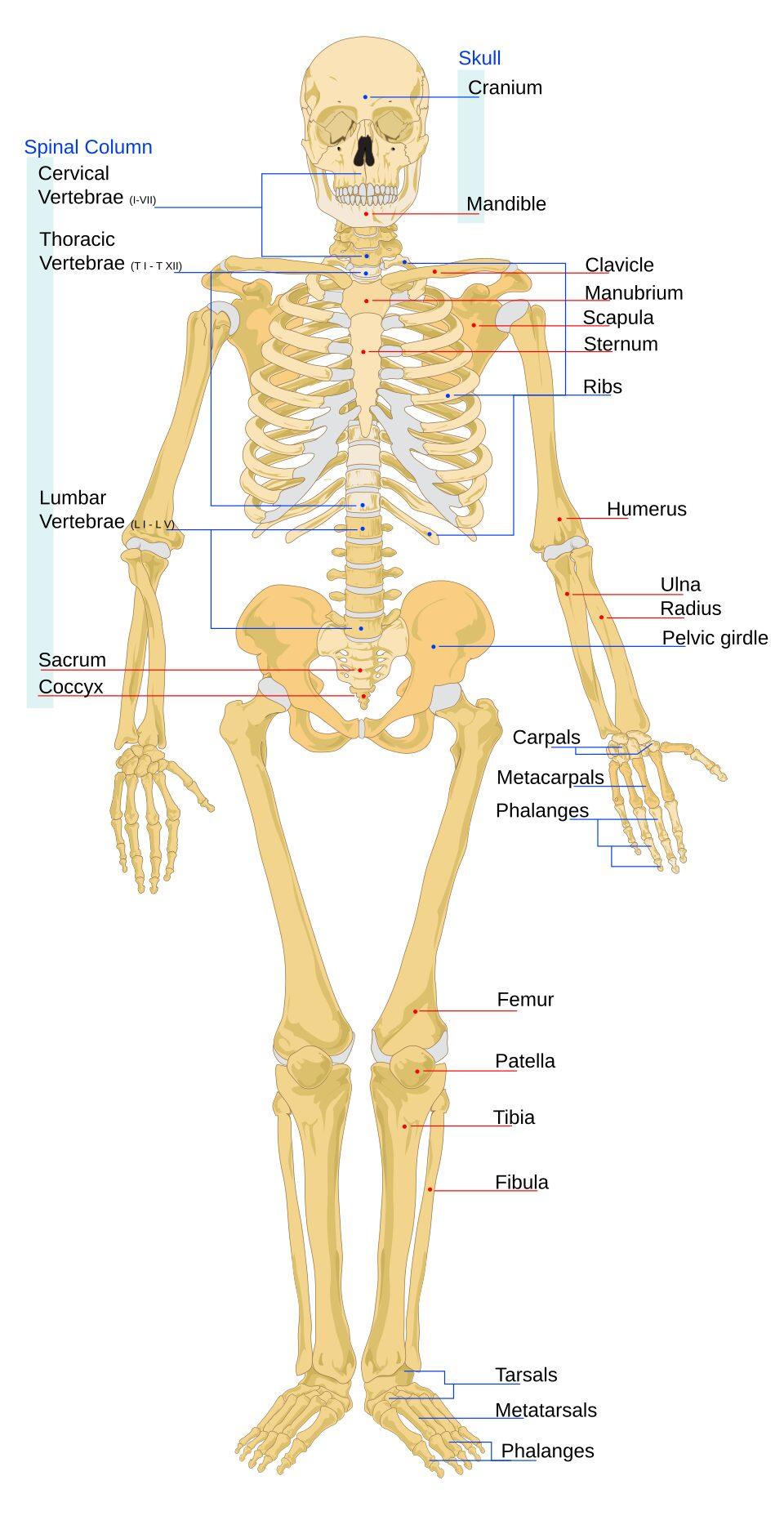
Bone Cancer
Rare cancers that begin in bone, including osteosarcoma, chondrosarcoma and Ewing sarcoma.
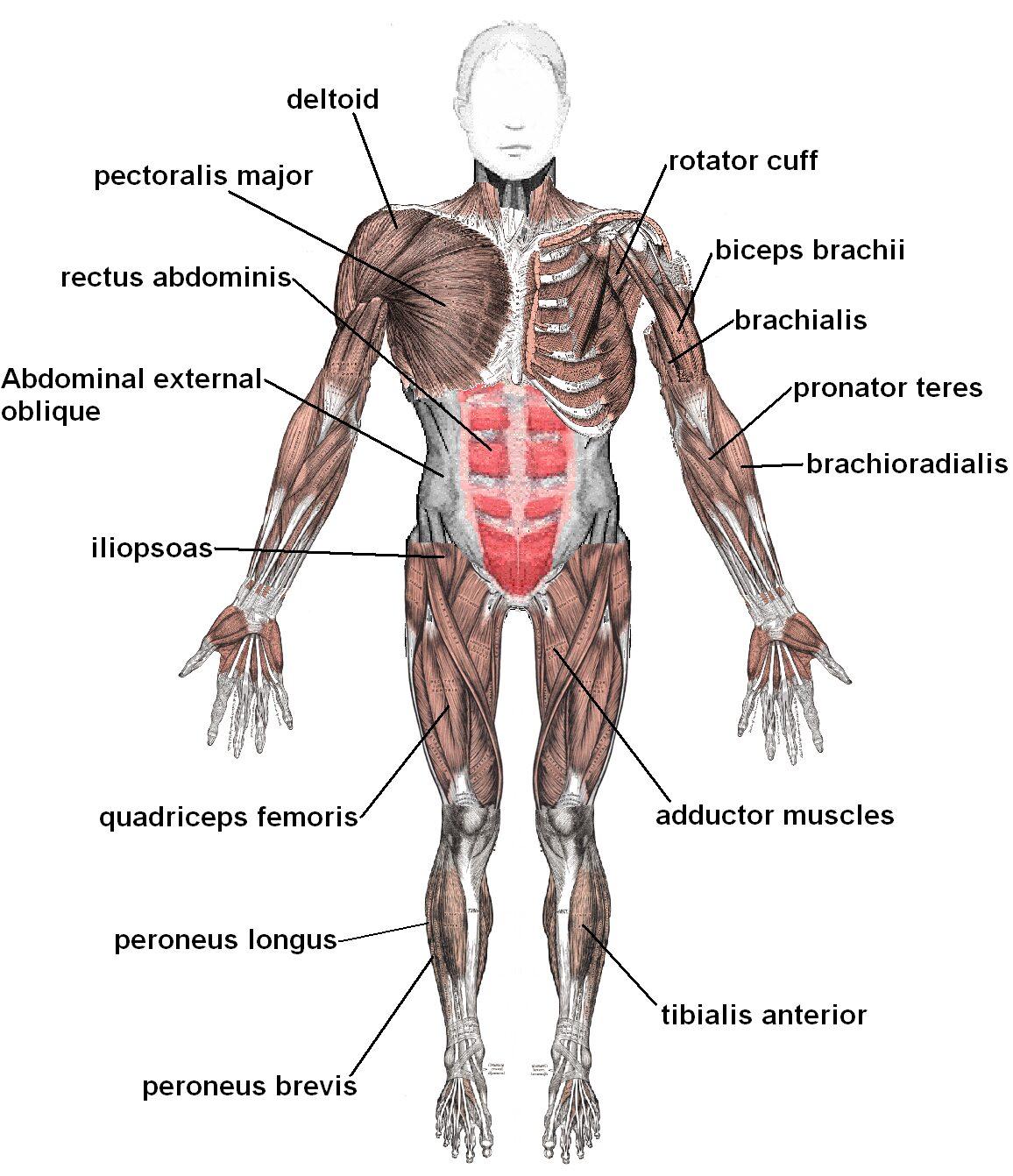
Sarcoma
A diverse group of cancers that begin in soft tissues such as muscle, fat, nerves, blood vessels and connective tissue.
Gallbladder Cancer
A rare cancer that begins in the gallbladder and is often found after it has grown beyond this small organ.
Bile Duct Cancer
Also called cholangiocarcinoma, this cancer begins in bile ducts inside or outside the liver.
Anal Cancer
Cancer that begins in the tissues of the anus, with most cases linked to persistent high-risk HPV infection.
Penile Cancer
A rare cancer that begins in penile tissue, most often in squamous cells of the skin.
Vaginal Cancer
A rare cancer that begins in the vagina, most commonly in squamous cells lining its surface.
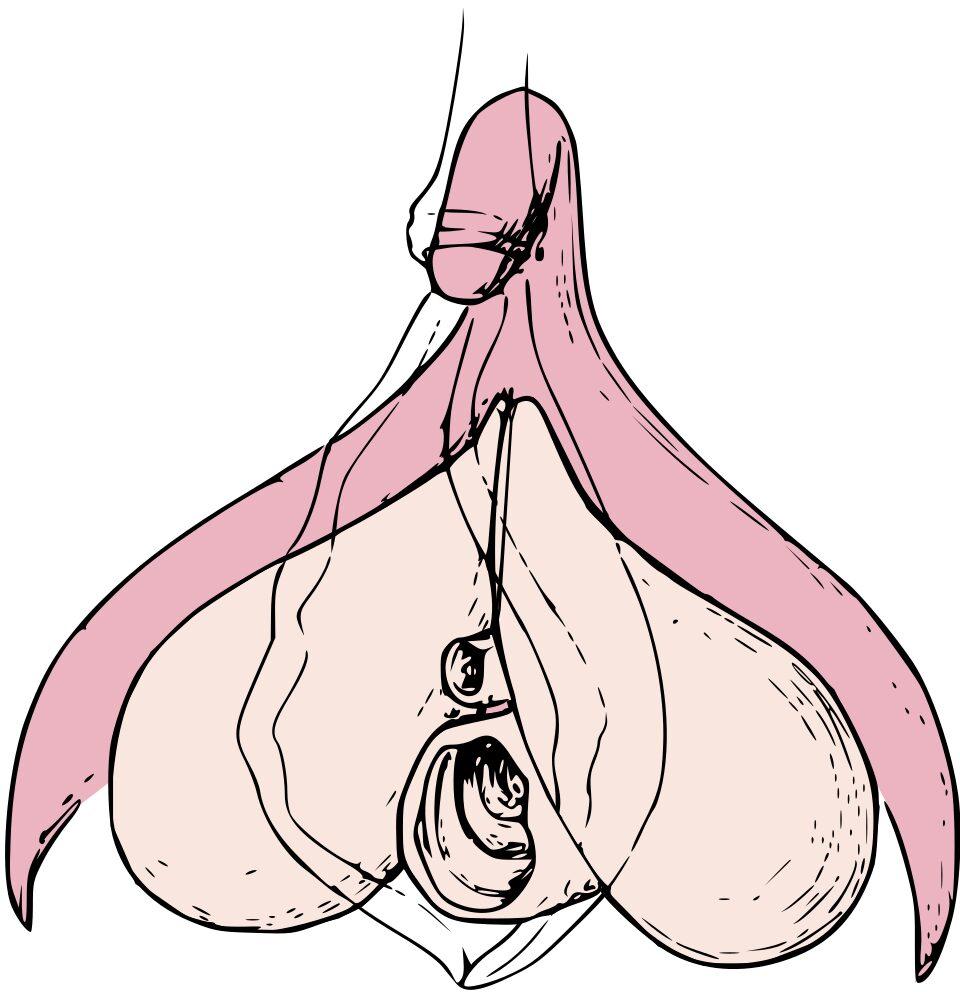
Vulvar Cancer
Cancer that begins on the external female genital tissues and may appear as persistent itching, pain or skin changes.
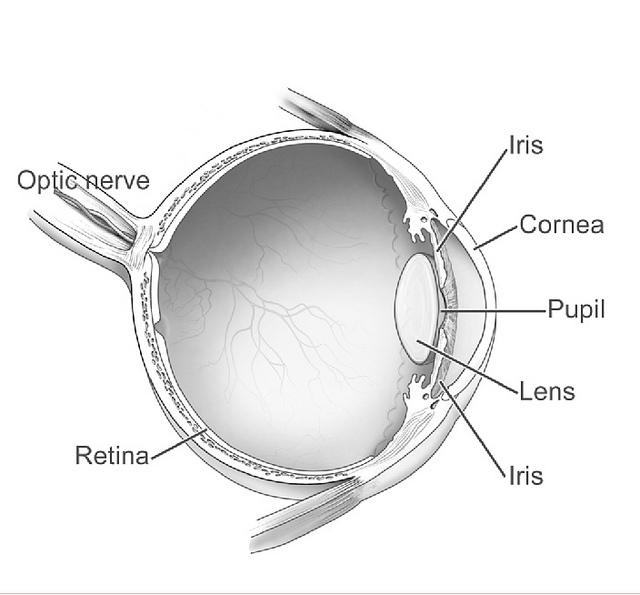
Eye Cancer
A group of rare cancers affecting the eye, including uveal melanoma in adults and retinoblastoma in children.
Oral Cancer
Cancer that begins in the lips or oral cavity, including the tongue, gums, inner cheeks and floor or roof of the mouth.
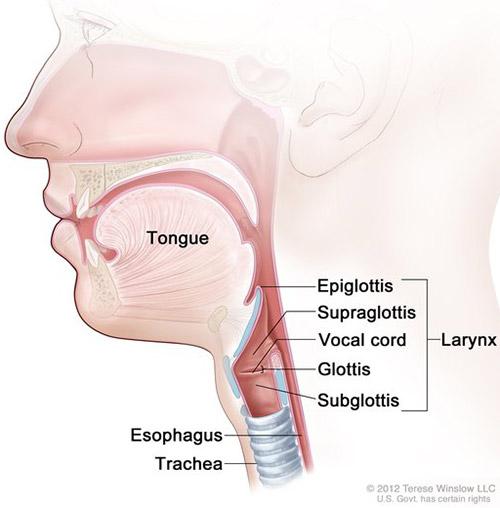
Throat Cancer
An informal term for cancers that arise in parts of the pharynx or larynx, each with distinct risks and treatments.
Small Intestine
A rare group of cancers that begin in the small intestine, including adenocarcinoma, neuroendocrine tumours, lymphoma and sarcoma.
Thymus Cancer
Rare tumours that begin in the thymus behind the breastbone, mainly thymoma and thymic carcinoma.
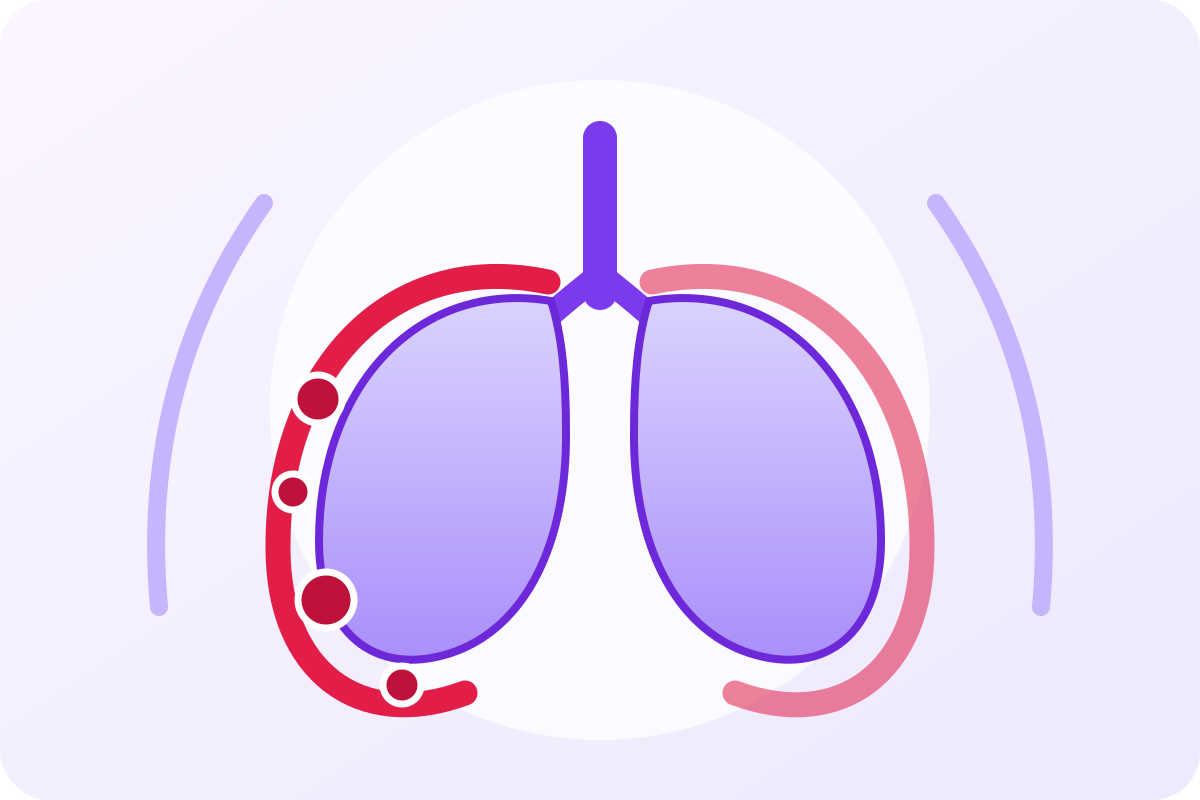
Malignant Mesothelioma
A rare cancer of the tissue lining the chest, lungs or abdomen, most often linked to asbestos exposure.

Neuroendocrine Tumours (NETs)
Tumours arising from hormone-producing neuroendocrine cells, with behaviour that varies widely by site and grade.
Gastrointestinal Stromal Tumour (GIST)
A type of soft-tissue sarcoma that begins in the wall of the gastrointestinal tract, most often the stomach or small intestine.
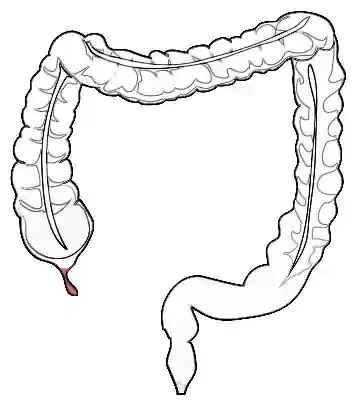
Appendix Cancer
A rare group of cancers arising in the appendix, including epithelial and neuroendocrine tumours.
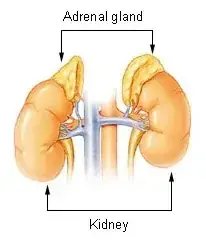
Adrenocortical Carcinoma
A rare cancer that begins in the hormone-producing outer layer of an adrenal gland.

Primary Peritoneal Cancer
Cancer that begins in the tissue lining the abdomen and is closely related to epithelial ovarian and fallopian tube cancer.
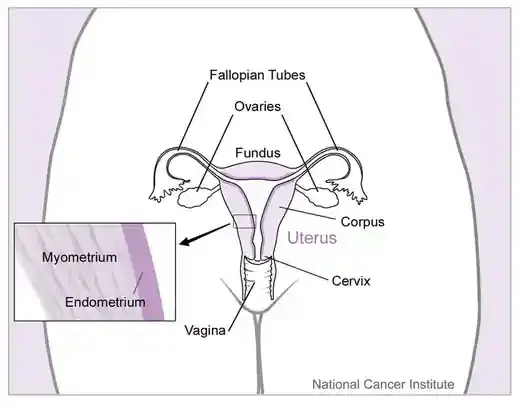
Fallopian Tube Cancer
A rare gynaecological cancer that begins in a fallopian tube and is treated similarly to epithelial ovarian cancer.

Cancer of Unknown Primary (CUP)
Metastatic cancer confirmed by biopsy when the place where it first began cannot be identified after evaluation.
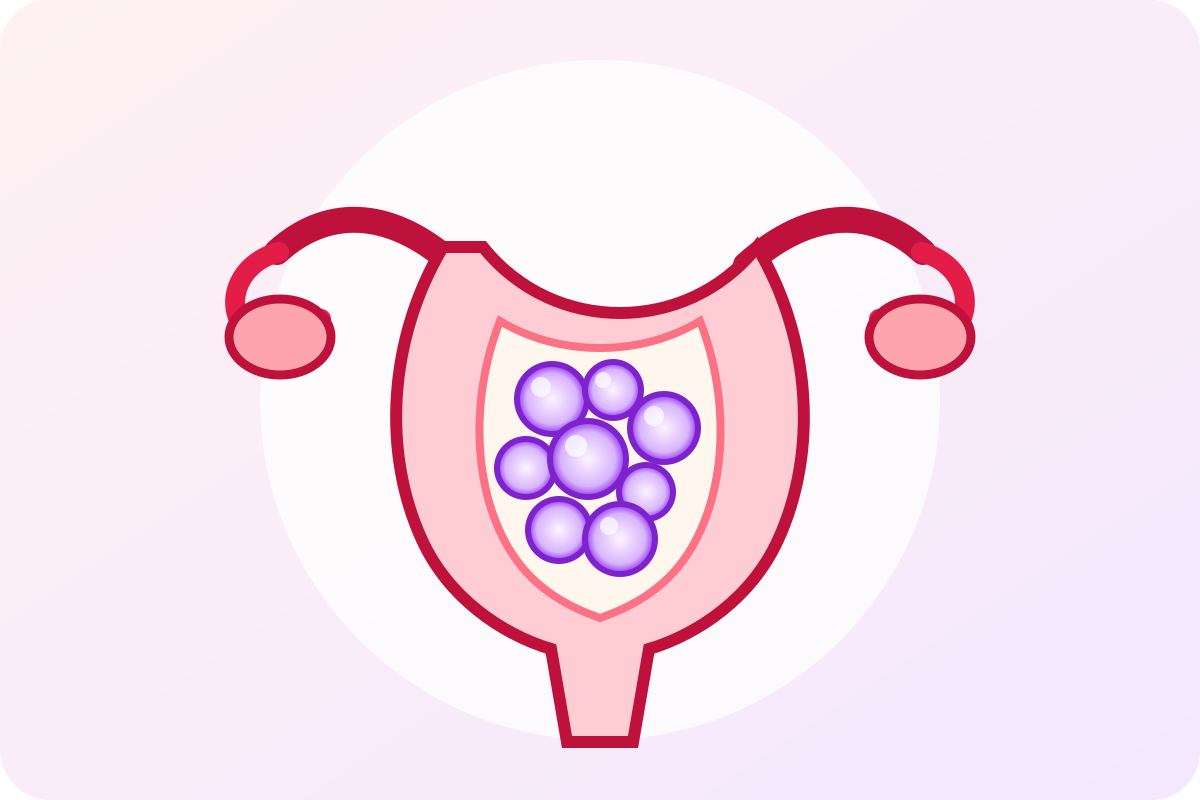
Gestational Trophoblastic Disease (GTD)
A group of rare conditions caused by abnormal trophoblast growth in the uterus after conception.
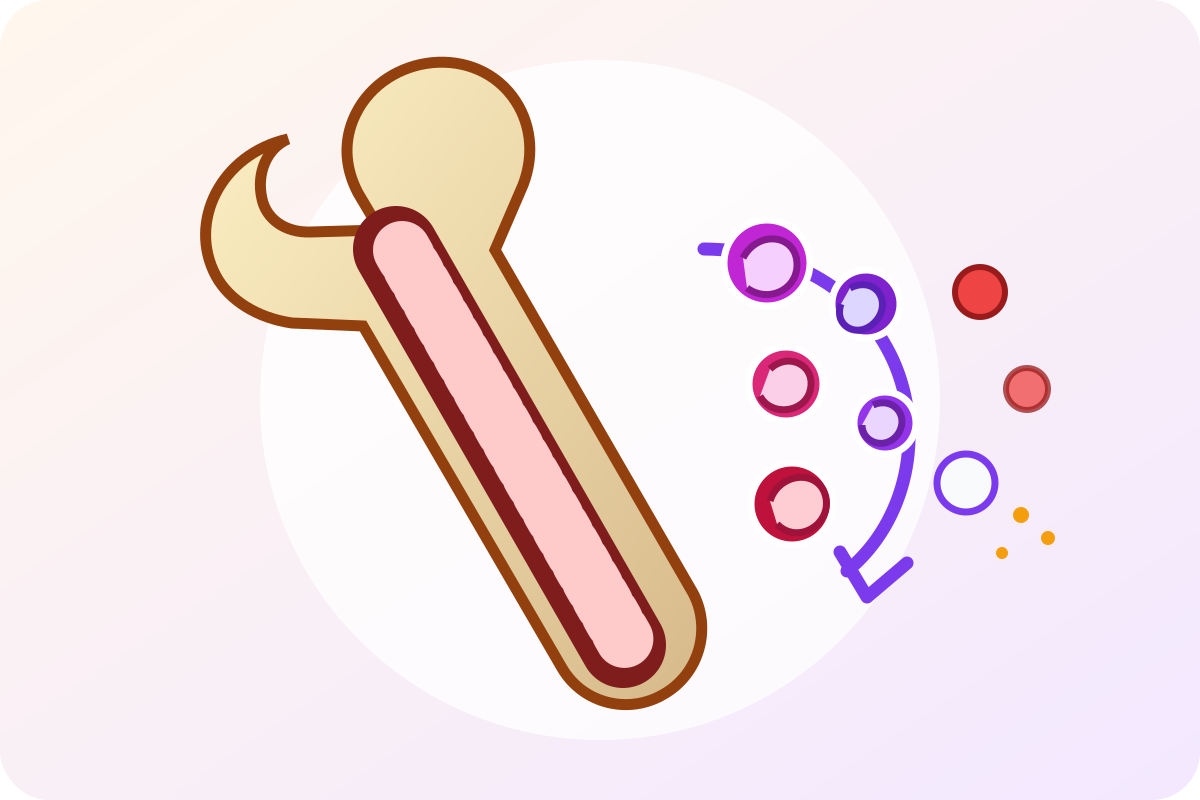
Myelodysplastic Syndromes (MDS)
A group of bone-marrow cancers in which immature blood cells do not become enough healthy mature cells.
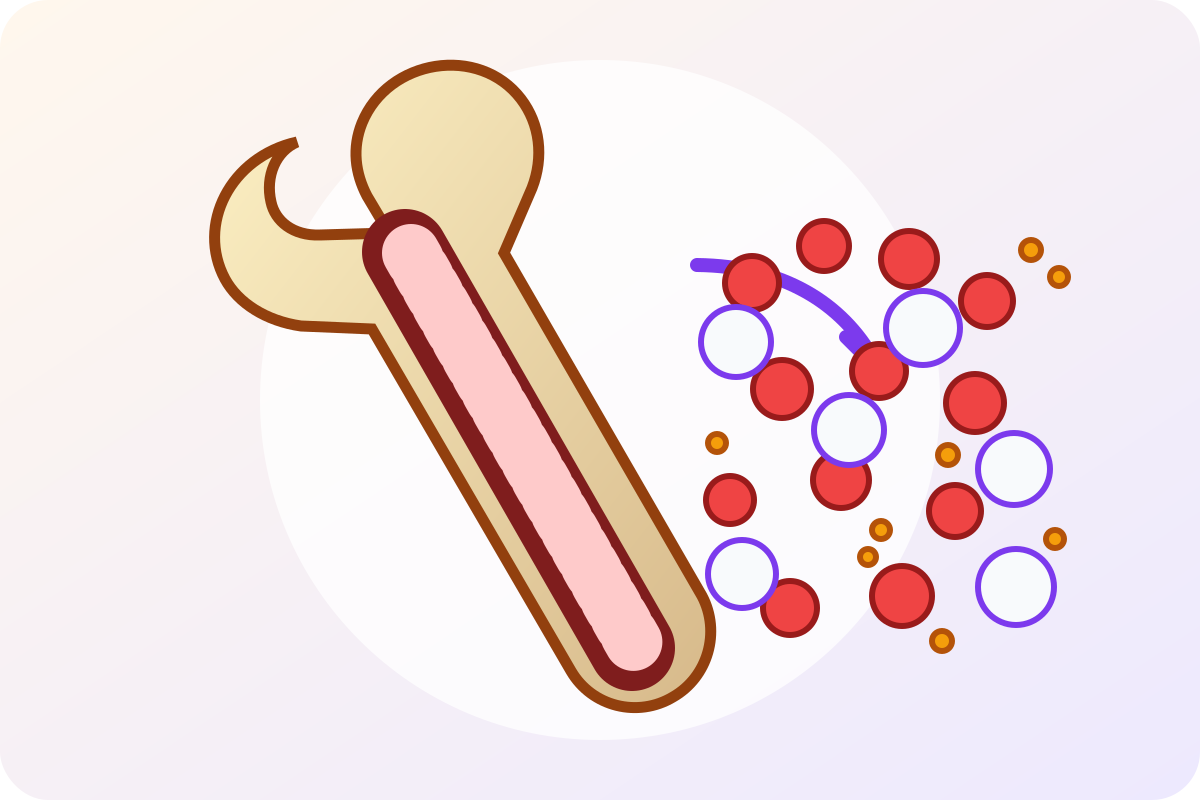
Myeloproliferative Neoplasms (MPNs)
A group of chronic blood cancers in which the bone marrow makes too many blood cells.

Neuroblastoma
A childhood cancer of immature nerve cells that often begins in an adrenal gland or along the sympathetic nervous system.

Urethral Cancer
A rare cancer that begins in the urethra, the tube carrying urine from the bladder out of the body.
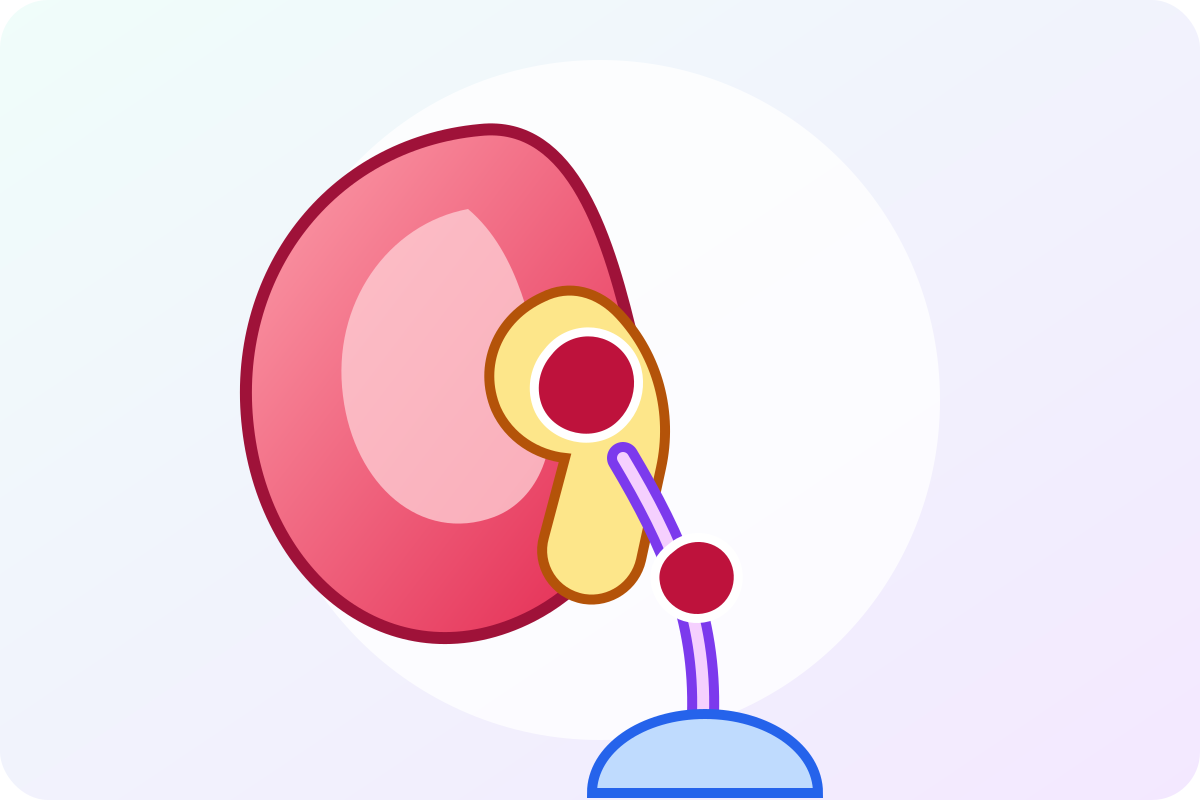
Renal Pelvis and Ureter Cancer
Upper urinary tract urothelial cancer arising in the renal pelvis or the tube connecting a kidney to the bladder.
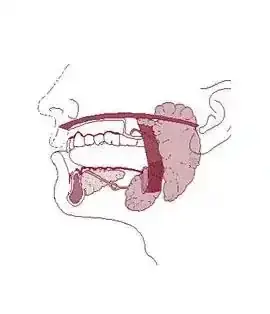
Salivary Gland Cancer
A rare group of head and neck cancers that begin in major or minor salivary glands.
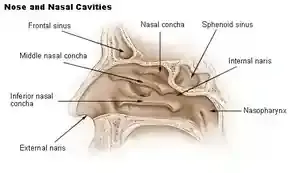
Nasal Cavity and Paranasal Sinus Cancer
Rare head and neck cancers that begin inside the nose or the air-filled sinuses around it.
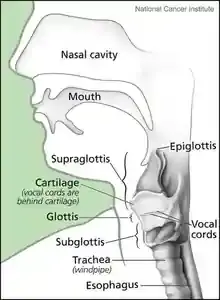
Laryngeal Cancer
Cancer arising in the larynx, the voice box containing the vocal cords between the throat and windpipe.
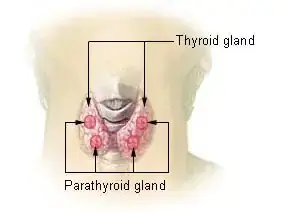
Parathyroid Cancer
A very rare cancer of a parathyroid gland that often causes excessive parathyroid hormone and high blood calcium.