
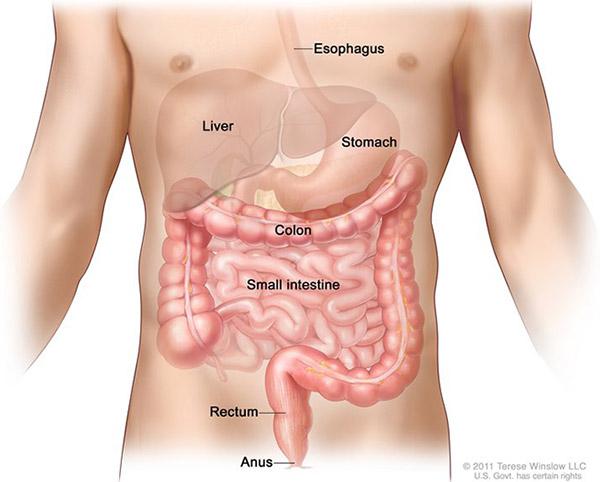
Anal Cancer Overview
Forms in the opening at end of digestive tract. Vast majority of cases are strongly associated with Human Papillomavirus (HPV) infection. Often curable, especially when caught early.
Often confused symptoms
- Bleeding from anus or rectum (often first sign).
- Pain or pressure in anal area.
- Persistent anal itching.
- A lump or mass near the anus.
- Changes in bowel habits or stool diameter.
- Unusual discharge (mucus) from anus.
Standard Treatment
Main treatment is usually a combination of radiation and chemotherapy, which often avoids need for major surgery.
Concurrent Chemoradiation
The 'gold standard', often curing cancer without operation.
Salvage Surgery
Used if cancer doesn't respond to chemoradiation or recurs.
Sources and medical information
Prepared by Tutti Cancer Warriors
Sources checked: 29 July 2026
This page provides general educational information and does not replace medical advice, diagnosis or treatment. Anal cancer is different from colorectal cancer, and persistent high-risk HPV is an important risk factor. Seek medical advice for anal bleeding, pain, itching, a lump, discharge or a persistent change in bowel habits. These symptoms often have non-cancer causes such as haemorrhoids or fissures.
Official sources
Key Facts
RareAnal cancer is uncommon compared with colorectal cancer
HPV-linkedPersistent high-risk HPV is an important cause of most anal cancers