
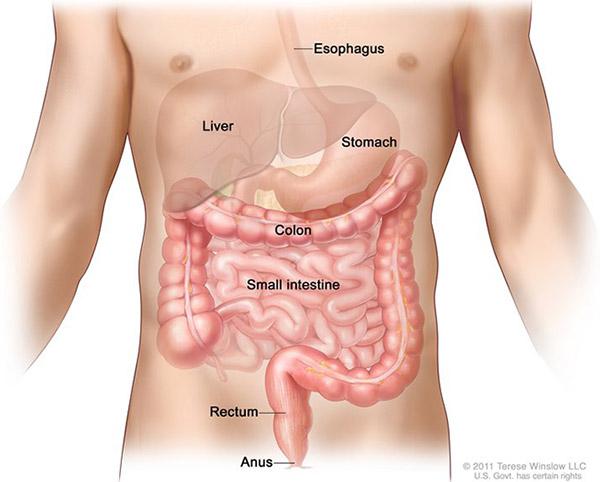
Overview of Colorectal Cancer
Most colorectal cancers start as a growth on the inner lining of the colon or rectum called a polyp. Over time, some polyps can turn into cancer. Regular screening tests are vital for prevention.
Warning Signs
- Persistent change in bowel habits (diarrhea or constipation).
- Rectal bleeding or blood in your stool.
- Persistent abdominal discomfort (cramps, gas, or pain).
- A feeling that your bowel doesn't empty completely.
- Unexplained weakness or fatigue.
- Unintended weight loss.
Therapeutic Approach
Treatment depends largely on the stage of cancer, though surgery is common for localized tumors.
Surgery (Colectomy)
Removal of the affected part of the colon and nearby lymph nodes.
Adjuvant Chemotherapy
Often used after surgery to kill any remaining cancer cells.
Sources and medical information
Prepared by Tutti Cancer Warriors
Sources checked: 28 July 2026
This page provides general educational information. It does not replace medical advice, diagnosis or treatment from a qualified healthcare professional. Bowel symptoms can have many causes; contact a healthcare professional about persistent changes in bowel habits, blood in the stool, abdominal pain, unexplained weight loss, fatigue or iron-deficiency anaemia.
Official sources
Statistics
2.0MNew cases globally in 2024 (WHO estimate)
918KDeaths globally in 2024 (WHO estimate)