
Back to library
Fallopian Tube Cancer
A rare gynaecological cancer that begins in a fallopian tube and is treated similarly to epithelial ovarian cancer.
Understanding fallopian tube cancer
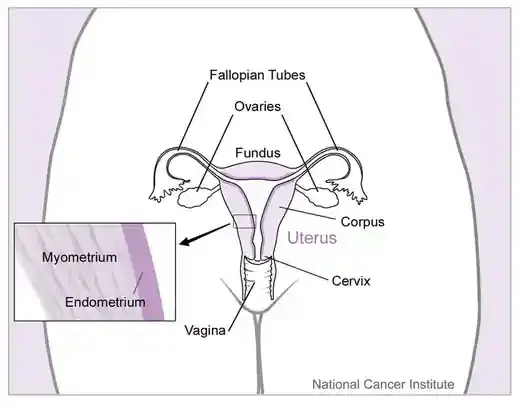
Fallopian tube cancer begins in one of the tubes connecting the ovaries to the uterus. Many high-grade serous cancers previously labelled ovarian may begin near the fimbrial end of a fallopian tube. Fallopian tube, epithelial ovarian and primary peritoneal cancers arise from similar tissue and share staging and treatment approaches.
Possible signs and symptoms
- Persistent pelvic or abdominal pain
- Bloating or abdominal swelling
- Feeling full quickly or reduced appetite
- Unusual vaginal bleeding or watery discharge
- Urinary urgency or frequent urination
- A pelvic lump or persistent bowel change
Treatment and care
Treatment depends on stage, pathology, fertility considerations, inherited risk and tumour biomarkers. Care is usually provided by a gynaecological oncologist.
Surgery and staging
Surgery commonly removes the uterus, both fallopian tubes and ovaries, omentum and visible disease, with careful staging. More limited surgery may be appropriate only in selected situations.
Chemotherapy and targeted treatment
Platinum-based chemotherapy is often used. Targeted or maintenance treatments, including PARP inhibitors in suitable cases, depend on response and molecular findings.
Sources and medical information
Prepared by Tutti Cancer Warriors
Sources checked: 29 July 2026
The symptoms listed are nonspecific and often have non-cancer causes. Persistent bloating, pelvic pain, unusual bleeding or watery discharge should be assessed. Heavy bleeding, fainting or severe pain needs urgent care.
Official sources
Key Facts
Fallopian tubeThe cancer begins in tissue lining one of the tubes
Same pathwayStaging and treatment broadly follow epithelial ovarian cancer