
Back to library
Gestational Trophoblastic Disease (GTD)
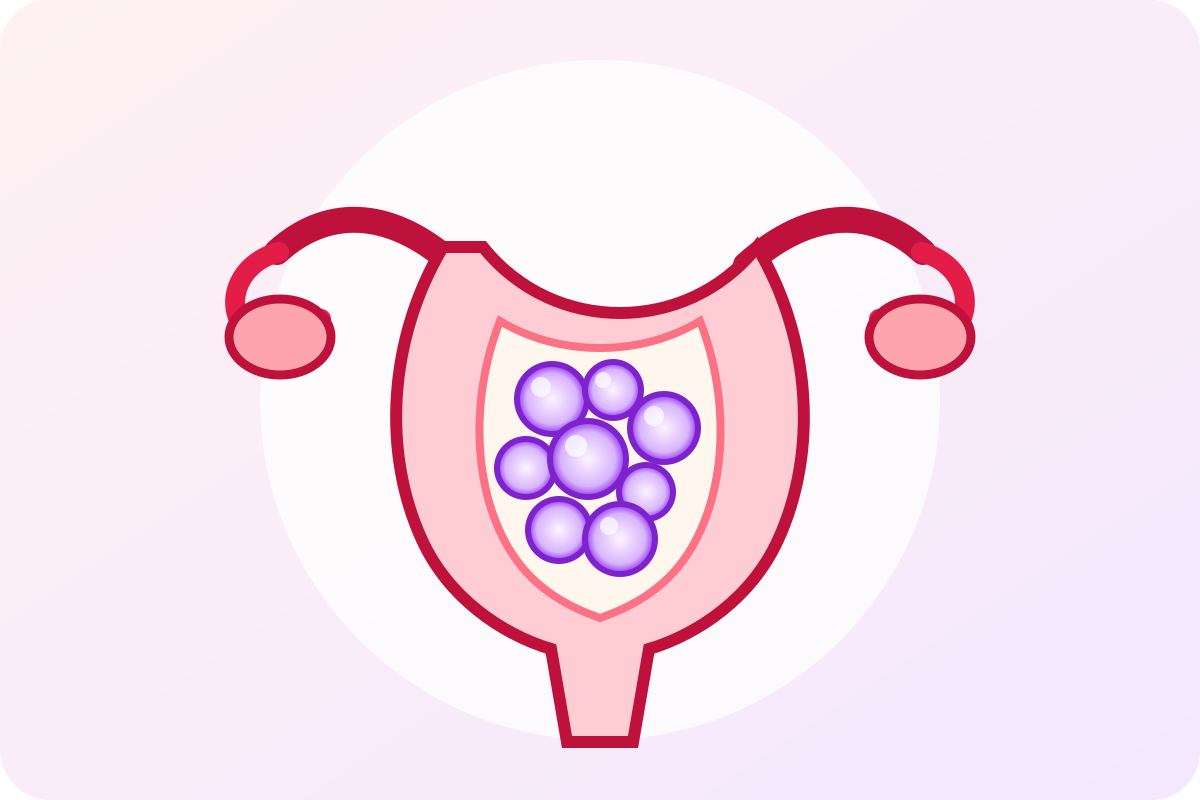
A group of rare conditions caused by abnormal trophoblast growth in the uterus after conception.
Understanding gestational trophoblastic disease
GTD includes hydatidiform mole and malignant forms collectively called gestational trophoblastic neoplasia, such as invasive mole and choriocarcinoma. These conditions arise from pregnancy-related trophoblast cells. Blood hCG levels are central to diagnosis and follow-up, and treatment differs from typical uterine cancer.
Possible signs and symptoms
- Abnormal vaginal bleeding during or after pregnancy
- A uterus larger than expected for the pregnancy
- Pelvic pain or pressure
- Severe nausea and vomiting
- Very early high blood pressure with headache or swelling
- Persistent bleeding, breathlessness, dizziness or marked fatigue after pregnancy
Treatment and care
Treatment depends on the exact GTD type, hCG level, spread, previous pregnancy and future fertility wishes. Specialist follow-up is essential until hCG monitoring is complete.
Uterine evacuation and monitoring
A molar pregnancy is usually treated by removing the abnormal tissue from the uterus, followed by regular hCG tests to confirm that trophoblastic cells are no longer active.
Chemotherapy or surgery
Gestational trophoblastic neoplasia is commonly treated with one or more chemotherapy medicines. Surgery or other treatment may be used in selected resistant, recurrent or specialised cases.
Sources and medical information
Prepared by Tutti Cancer Warriors
Sources checked: 29 July 2026
Abnormal bleeding, severe vomiting or early high blood pressure during or after pregnancy can have several causes and require prompt obstetric assessment. Heavy bleeding, fainting, chest pain or breathing difficulty is an emergency. Follow the hCG testing schedule given by the specialist team.
Official sources
Key Facts
After conceptionGTD develops from pregnancy-related trophoblast cells
hCGBlood hormone monitoring is central to diagnosis, treatment response and follow-up