
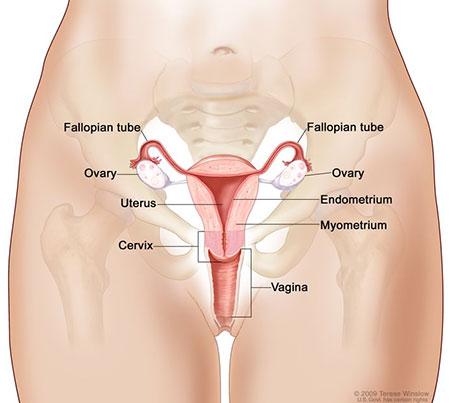
The Silent Gynecologic Cancer
Symptoms (Subtle but Persistent)
- Persistent abdominal bloating or distention.
- Feeling full quickly when eating or trouble eating.
- Discomfort or pain in the pelvic or abdominal area.
- Need to urinate more frequently or urgently.
- Changes in bowel habits, such as constipation.
- Persistent fatigue or back pain.
Combined Treatment
Debulking Surgery
Platinum-Based Chemotherapy
Sources and medical information
Prepared by Tutti Cancer Warriors
Sources checked: 28 July 2026
This page provides general educational information. It does not replace medical advice, diagnosis or treatment from a qualified healthcare professional. Ovarian epithelial, fallopian tube and primary peritoneal cancers may not cause early signs or symptoms. Contact a healthcare professional about persistent or worsening abdominal or pelvic pain, swelling or pressure, bloating, urinary urgency or frequency, trouble eating or feeling full, constipation or another concerning change. IARC estimates 330,731 new ovarian cancer cases and 203,850 deaths worldwide in 2024. NCI SEER reports 52.0% five-year relative survival in the United States across all stages combined for 2016–2022. This population statistic cannot predict an individual outcome; prognosis and treatment depend on the cancer type, stage, overall health and response to treatment.
Official sources
- International Agency for Research on Cancer — Ovary fact sheet
- National Cancer Institute — Ovarian, Fallopian Tube, and Primary Peritoneal Cancer: Patient Version
- National Cancer Institute — Ovarian Epithelial, Fallopian Tube, and Primary Peritoneal Cancer Treatment
- National Cancer Institute SEER — Ovarian Cancer Stat Facts