
Back to library
Parathyroid Cancer
A very rare cancer of a parathyroid gland that often causes excessive parathyroid hormone and high blood calcium.
Understanding parathyroid cancer
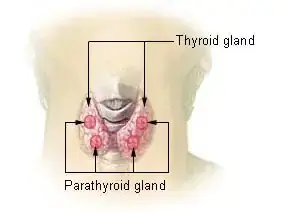
The small parathyroid glands sit near the thyroid and regulate calcium through parathyroid hormone. Most parathyroid cancer symptoms result from severe hypercalcaemia rather than the neck tumour itself. Parathyroid cancer is distinct from thyroid cancer and from the much more common benign parathyroid adenoma.
Possible signs and symptoms
- Marked thirst and frequent urination
- Weakness, severe tiredness or confusion
- Nausea, vomiting, poor appetite or constipation
- Persistent abdominal, side or back pain
- Bone pain or an unexplained fracture
- A neck lump, hoarseness or difficulty swallowing
Treatment and care
Treatment must address both the cancer and high calcium levels. Care often involves endocrine surgery, endocrinology, oncology and specialist laboratory monitoring.
Surgery
Complete removal of the affected gland and attached nearby tissue in one operation offers the best chance of long-term control when the tumour is resectable.
Calcium control and additional treatment
Medicines, fluids and other measures control hypercalcaemia. Reoperation, radiation, systemic treatment or clinical trials may be considered for recurrent or metastatic disease.
Sources and medical information
Prepared by Tutti Cancer Warriors
Sources checked: 29 July 2026
Parathyroid cancer is very rare and most overactive parathyroid glands are caused by benign disease. Severe hypercalcaemia can be dangerous. Confusion, profound weakness, dehydration, repeated vomiting, an abnormal heartbeat or reduced consciousness needs urgent medical care.
Official sources
Key Facts
Very rareMost parathyroid tumours are benign rather than cancer
High calciumMany symptoms result from excessive parathyroid hormone and hypercalcaemia