
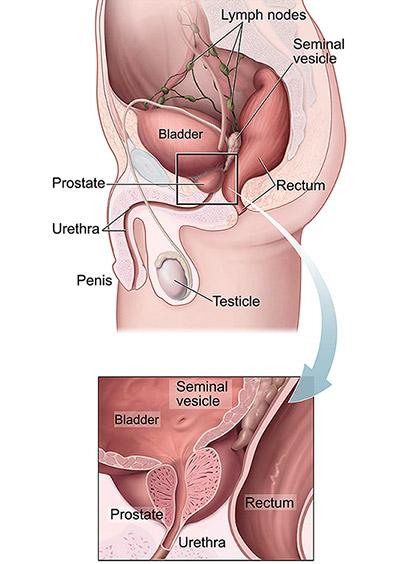
Understanding Prostate Cancer
It is one of the most common types of cancer in men. It usually grows slowly and is confined to the prostate gland, where it may not cause serious harm. However, some types are aggressive and can spread quickly.
Symptoms (Advanced)
- Trouble urinating or weak urine flow.
- Need to urinate often, especially at night.
- Blood in the urine or semen.
- Difficulty getting an erection (erectile dysfunction).
- Pain in the hips, back, or chest (if spread).
- Weakness or numbness in the legs.
Management Options
Treatment ranges from active surveillance (for low-risk cancers) to more aggressive interventions.
Active Surveillance
Closely monitoring the cancer without immediate treatment if it grows very slowly.
Surgery & Radiation
Radical prostatectomy (removing the gland) or using radiation beams.
Sources and medical information
Prepared by Tutti Cancer Warriors
Sources checked: 28 July 2026
This page provides general educational information. It does not replace medical advice, diagnosis or treatment from a qualified healthcare professional. Early prostate cancer often causes no symptoms, and urinary symptoms can also be caused by non-cancerous prostate conditions. Prognosis varies by stage, grade, age, overall health and treatment response. Discuss symptoms and the potential benefits and harms of PSA testing with a healthcare professional.
Official sources
- World Health Organization — Cancer fact sheet and 2024 global estimates
- National Cancer Institute — Prostate Cancer: Patient Version
- National Cancer Institute — Understanding Prostate Changes
- National Cancer Institute — Prostate Cancer Treatment
- National Cancer Institute SEER — Prostate Cancer Stat Facts
Prevalence
1.5MNew cases globally in 2024 (WHO estimate)
98.2%Five-year relative survival in the US, all stages combined, 2016–2022 (NCI SEER)