
Back to library
Renal Pelvis and Ureter Cancer
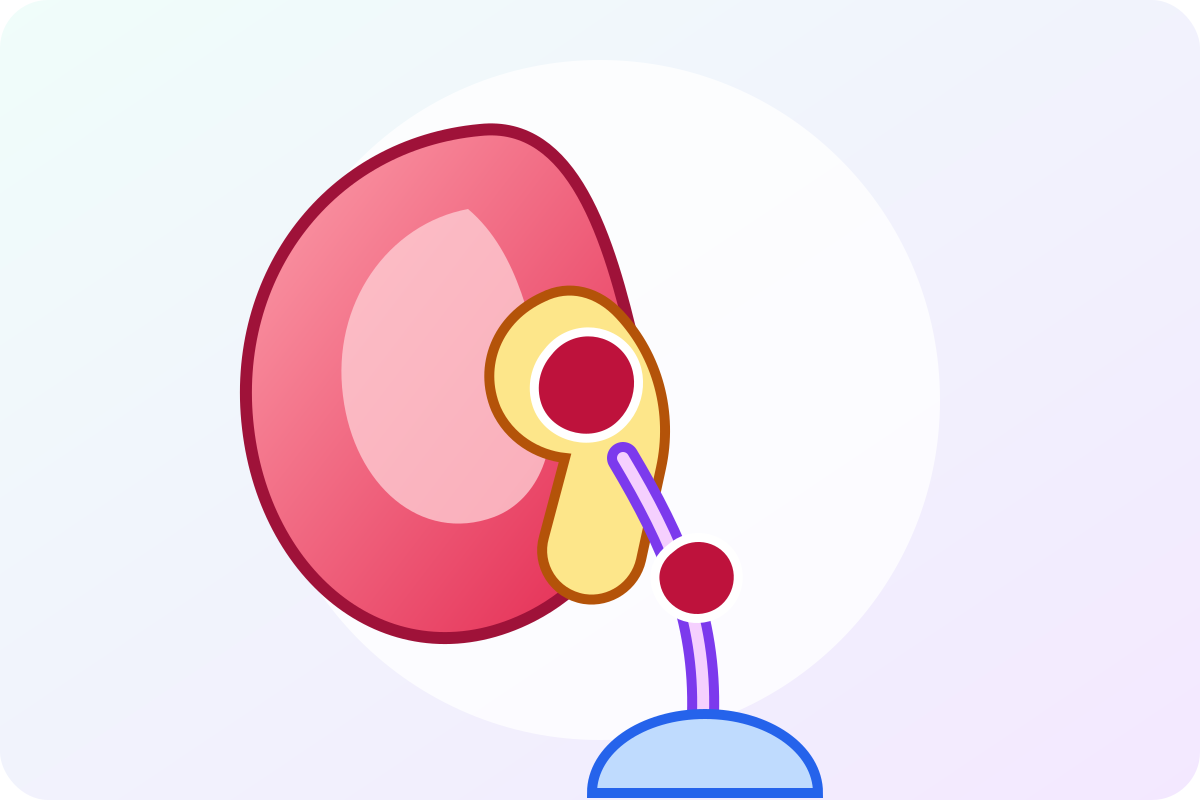
Upper urinary tract urothelial cancer arising in the renal pelvis or the tube connecting a kidney to the bladder.
Understanding upper urinary tract urothelial cancer
This cancer begins in urothelial cells lining the renal pelvis, where urine collects inside the kidney, or the ureter, which carries urine to the bladder. It is related to bladder urothelial cancer but is treated as a distinct upper urinary tract disease. Grade, depth, location and kidney function guide treatment.
Possible signs and symptoms
- Blood in the urine
- Persistent pain in the back, side or flank
- Painful or frequent urination
- Unexplained tiredness or weakness
- Unexplained weight loss
- A urinary blockage, infection or reduced kidney function
Treatment and care
Treatment depends on grade, stage, tumour number and location, kidney function, bladder history and whether the disease has spread.
Surgery and kidney-sparing treatment
Many higher-risk tumours are treated by removing the kidney, ureter and a small cuff of bladder. Selected low-risk tumours may be managed with endoscopic or segmental kidney-sparing procedures.
Regional and systemic treatment
Chemotherapy or immunotherapy may be placed into the upper urinary tract in selected cases or given systemically before or after surgery, or for advanced disease.
Sources and medical information
Prepared by Tutti Cancer Warriors
Sources checked: 29 July 2026
Blood in urine and flank pain can have non-cancer causes but need medical assessment, especially when persistent or recurrent. Heavy bleeding, inability to urinate, fever with obstruction, severe pain or sudden worsening needs urgent care.
Official sources
Key Facts
Upper urinary tractThe tumour begins in urothelial cells of the renal pelvis or ureter
Related to bladder cancerThe same urothelial cell type also lines the bladder