
Back to library
Small Intestine Cancer
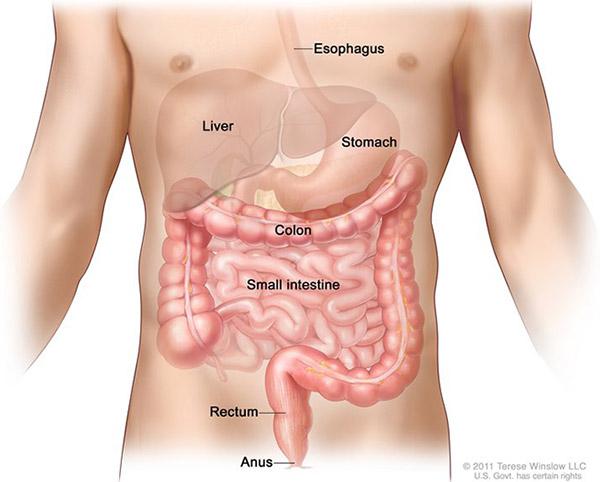
Uncommon cancer forming in small intestine (duodenum, jejunum, or ileum).
Overview
Much less frequent than colon cancer. Types include adenocarcinoma, carcinoid tumors, lymphoma, and sarcoma. Due to vague symptoms, often diagnosed in later stages.
Symptoms (Often vague)
- Abdominal pain or cramping, often in center of abdomen.
- Nausea and vomiting.
- Unexplained weight loss.
- Blood in stool (can make it black and tarry).
- Anemia (low red blood cell count) causing fatigue.
- Yellowing of skin (jaundice) if tumor blocks bile duct.
Treatments
Main treatment is surgery, but depends on specific tumor type and location.
Surgical Resection
Removal of segment of small intestine containing tumor.
Chemotherapy or Targeted Therapies
Used for specific types like lymphomas or GISTs.
Sources and medical information
Prepared by Tutti Cancer Warriors
Sources checked: 29 July 2026
This page provides general educational information and does not replace medical advice, diagnosis or treatment. Small-intestine cancers are rare and include several biologically different diseases. Seek medical advice for persistent abdominal pain, unexplained nausea or vomiting, gastrointestinal bleeding or black stools, anaemia, a new abdominal lump, obstruction symptoms or unexplained weight loss. Sudden severe pain, repeated vomiting or significant bleeding needs urgent care.
Official sources
Key Facts
RareSmall-intestine cancer is much less common than colorectal cancer
5Main groups include adenocarcinoma, neuroendocrine tumour, lymphoma, sarcoma and GIST