
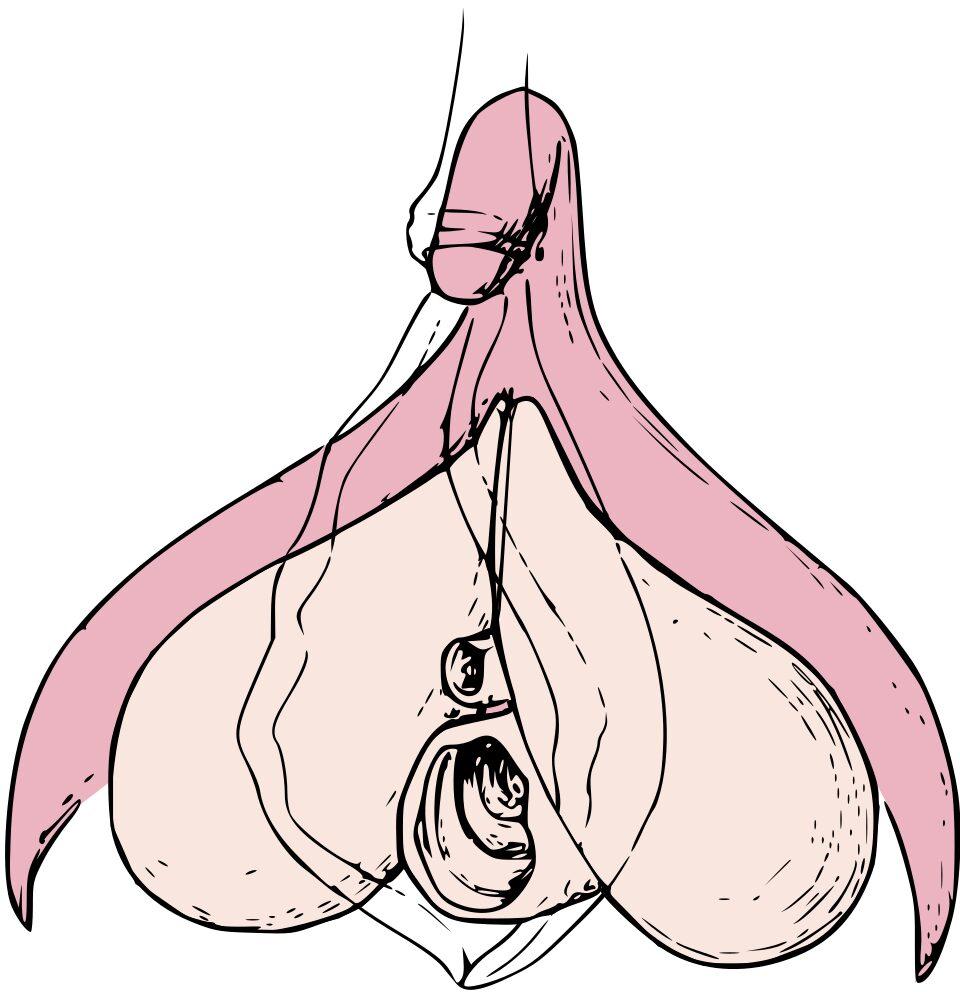
Overview
Usually forms slowly over many years, often preceded by precancerous changes. More common in older women, but HPV-related cases are increasing in younger women.
External Signs
- Constant itching (pruritus) on vulva that doesn't go away.
- Pain or tenderness in vulvar area.
- Bleeding not related to menstruation.
- Skin color or thickness changes (red or white patches).
- A lump, bump, or open sore on vulva.
- Pain or burning when urinating.
Surgical Approach
Surgery is most common treatment, often combined with radiation in advanced stages.
Vulvectomy (Partial or Radical)
Removal of part or all of vulva, depending on cancer extent.
Sentinel Node Biopsy
Procedure to check if cancer has spread to nearby lymph nodes.
Sources and medical information
Prepared by Tutti Cancer Warriors
Sources checked: 29 July 2026
This page provides general educational information and does not replace medical advice, diagnosis or treatment. Many vulvar conditions are not cancer, but persistent changes need assessment. Seek medical advice for persistent itching, burning or pain, a lump, a sore that does not heal, bleeding unrelated to menstruation, or lasting skin-colour or texture changes. The global figures are GLOBOCAN 2024 estimates published in July 2026 and cannot predict an individual outcome.
Official sources
Key Facts
49KLatest estimated new cases worldwide — 2024 data published in 2026
19KLatest estimated deaths worldwide — 2024 data published in 2026